
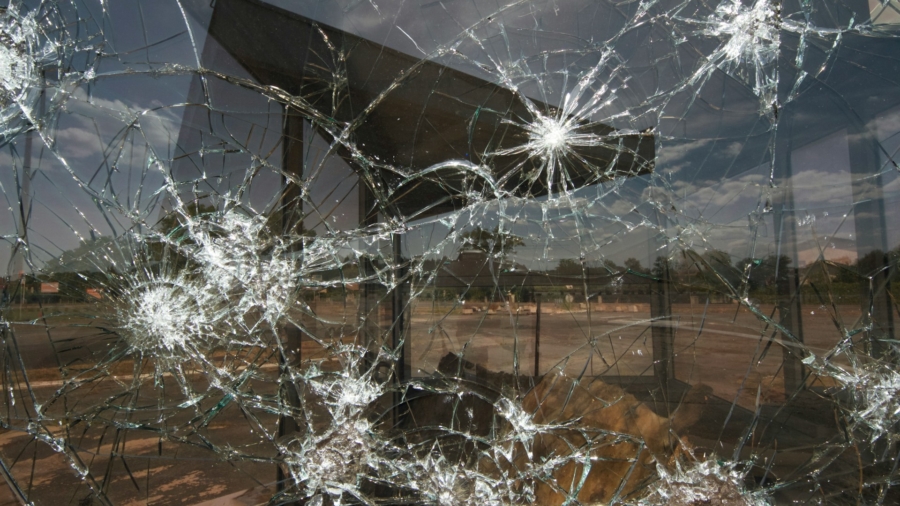
Protecting a facility involves much more than installing surveillance cameras or hiring security personnel. While these measures provide observation and deterrence, they do not offer physical protection against an active threat.
This is where physical security measures, specifically ballistic barriers, become critical. These systems are designed to delay intrusion and protect human life during a hostile event, buying precious time for first responders to arrive.
However, selecting the appropriate barrier is not a one-size-fits-all process. The term “bulletproof” is often used colloquially, but in the professional security industry, the correct term is “bullet-resistant.”
No material is impenetrable forever, and different materials are rated to withstand specific types of ammunition and force.
Facility managers, architects, and business owners must navigate a complex landscape of safety ratings, material compositions, and aesthetic considerations to ensure their security planning effectively mitigates risk without turning a property into a fortress.
1. Understanding UL Ratings and Threat Levels
Before purchasing any materials, decision-makers must understand the industry standards that govern performance.
The Underwriters Laboratories (UL) 752 standard is the most common benchmark used in the United States to grade bullet-resistant materials. This rating system categorizes materials into eight distinct levels based on their ability to stop specific projectiles.
The Difference Between Handgun and Rifle Protection
It is a common misconception that all safety barriers offer the same level of protection.
- Levels 1 through 3: These generally protect against handguns, ranging from 9mm to .44 Magnum. These levels are typically sufficient for banks, convenience stores, and pharmacies where the primary threat is armed robbery.
- Levels 4 through 8: These are designed to withstand high-powered rifles and automatic weapons. Government buildings, military installations, and high-risk corporate facilities often require this elevated level of protection.
Selecting a barrier that is rated too low leaves the facility vulnerable, while selecting a rating that is unnecessarily high can drastically increase costs and structural weight requirements. An accurate threat assessment is the foundation of this choice.
2. Strategic Security Planning and Vulnerability Assessment
Effective security planning involves analyzing the flow of people and identifying the most vulnerable points within a property. Installing ballistic barriers is not merely about hardening a wall; it is about creating a secure environment that functions smoothly.
Identifying Key Entry Points
The most critical areas usually involve transaction windows, reception desks, and main entryways. Security experts recommend a layered approach. The outer perimeter serves as the first line of defense, followed by the building envelope (doors and windows), and finally, secure internal safe zones.
Assessing the Environment
The type of business or organization plays a major role in the assessment. A school, for example, requires a different approach than a federal courthouse.
- High-traffic retail: Needs barriers that facilitate easy communication and transaction exchange.
- Corporate offices: May prioritize discreet protection that blends with the interior design.
- Industrial sites: Might focus purely on durability and impact resistance.
3. Comparing Material Compositions for Impact Resistance
When selecting transparent barriers, three primary materials dominate the market: acrylic, polycarbonate, and glass-clad polycarbonate. Each offers different properties regarding clarity, weight, and impact resistance.
Acrylic vs. Polycarbonate
- Acrylic: Often referred to by the trade name Plexiglas, acrylic is hard and offers excellent optical clarity. It is suitable for lower-level threats (Level 1 and 2). However, upon impact, acrylic can spall (fragment), which may cause secondary injuries.
- Polycarbonate: This material is softer than acrylic but significantly stronger. It effectively “catches” the bullet, preventing spalling. It offers superior impact resistance against forced entry attempts, such as someone trying to smash the barrier with a sledgehammer.
Glass-Clad Polycarbonate
For higher threat levels (Level 3 and above), glass-clad polycarbonate is often the material of choice.
This composite material layers glass and polycarbonate to combine the scratch resistance and clarity of glass with the impact absorption of polycarbonate. It is heavier and more expensive but provides robust protection against rifles and sustained attacks.
4. Selecting the Best Bulletproof Doors and Frames
A barrier system is only as strong as its weakest point. A common failure in security upgrades involves installing high-grade ballistic glass into a standard drywall or aluminum frame. To ensure integrity, the entire assembly—including the door, frame, and hardware—must be rated.
The Importance of the Assembly
The best bulletproof doors are engineered to stop projectiles from penetrating not just the door leaf, but also the space between the door and the frame.
- Steel Doors: Offer the highest durability and are often used for back entrances or safe rooms.
- Wood-Veneer Doors: These have a ballistic core but look like standard wooden doors, making them ideal for executive offices or schools where aesthetics matter.
- Aluminum and Glass Doors: Essential for main entrances where visibility is required.
Hardware Considerations
Standard locks and hinges will fail under ballistic impact. Heavy-duty, rated hardware is mandatory. This ensures the door remains secured in the frame even when subjected to significant force.
5. Balancing Aesthetics with Functionality
Modern security demands that protection does not come at the expense of a welcoming atmosphere. The “bunker mentality” can deter customers and increase anxiety among employees. Fortunately, modern technology allows for safety barriers that are nearly invisible to the untrained eye.
Retrofit Systems
Many properties cannot support major structural renovations. Retrofit systems are designed to fit over existing counters or desks. These systems provide immediate protection without requiring a complete teardown of the current infrastructure.
Voice Transmission and Pass-Throughs
For barriers involved in customer service, clear communication is vital.
- Baffle Windows: Allow sound to travel around the glazing while stopping projectiles.
- Voice Transmission Systems: Electronic intercoms that facilitate conversation through thick barriers.
- Pass-Through Trays: Recessed trays for exchanging documents or currency safely.
6. Installation, Compliance, and Certification
The final and perhaps most critical step is ensuring proper installation. Even the highest-rated material will fail if it is not anchored correctly to the surrounding structure.
Professional Installation
Ballistic materials are heavy and difficult to work with. Professional installers ensure that the structural support of the building can handle the weight of the barriers. They also ensure that there are no gaps in protection where a projectile could pass through.
Code Compliance
Installations must comply with local building codes, fire codes, and ADA (Americans with Disabilities Act) requirements. For instance, a secure vestibule must still allow for emergency egress in case of a fire. Ignoring these regulations can lead to legal liabilities and costly fines.
Securing the Future with Informed Decisions
Choosing the right ballistic barrier is a significant investment in the safety of people and property. It requires a detailed understanding of threat levels, material capabilities, and architectural integration.
By focusing on comprehensive security planning and selecting certified, high-quality materials—from impact-resistant glazing to the best bulletproof doors—organizations can create a secure environment that effectively mitigates risk.
The goal is not to live in fear, but to operate with confidence, knowing that adequate measures are in place to handle potential threats. A well-chosen system protects lives, reduces liability, and provides peace of mind for everyone who enters the property.